Why Do I Hear Scratching Noises in Walls at Night? 7 Simple Ways to Identify the Culprit
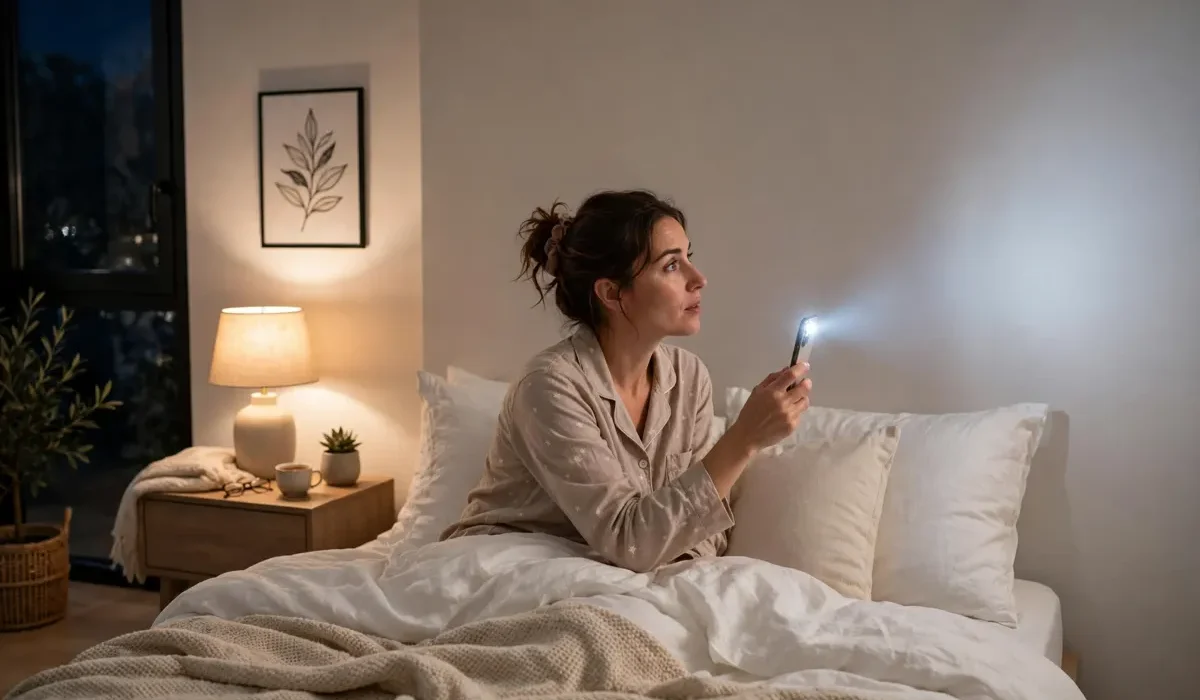
It is 2 a.m., the house is quiet, and then you hear it again — a faint scratching sound coming from inside the wall beside your bed. You freeze, listen, and it stops. A minute later it starts again. Scratching noises in walls at night are unsettling because you cannot see what is making them. The good news is that the sound itself is a clue: when, where, and what it sounds like can narrow the culprit to a short list.
⚡ Quick Answer
Scratching noises in walls at night are most often caused by house mice or rats moving and gnawing inside the wall cavity. Light, quick scratching after dark usually points to mice, while heavier gnawing low in the walls points to rats. Squirrels are daytime animals, so dawn or afternoon noise is more likely squirrels. A musky odor or small droppings mean an active rodent problem — act this week.
What Scratching Noises in Walls at Night Usually Mean
Wall cavities are hollow echo chambers. A mouse the size of your thumb can sound surprisingly loud when it scratches drywall from the inside. Scratching noises in walls at night happen most often from late fall through winter, when rodents move indoors looking for warmth and food. Rodents invade roughly 21 million American homes each winter.
Before you assume the worst, know that animals are not the only cause. Houses also make noises as they cool down at night — wood framing contracts, pipes shift, and ducts tick. If your home also makes loud popping sounds after dark, it may be thermal contraction rather than an animal — see our guide to why your house makes loud popping noises at night when it is cold.
Start a simple log tonight of the scratching noises in walls at night: the time, the wall, and the sound. Three nights of notes are usually enough to turn a mystery into a diagnosis, because each animal keeps a fairly regular schedule.
🔑 Key Takeaways
- Nighttime scratching usually means mice or rats; daytime noise usually means squirrels.
- Time and location narrow the list — droppings and gnaw marks confirm it.
- Light scratching is a this-month problem; heavy gnawing or buzzing is a this-week problem.
- Some night sounds are just the house cooling down, not an animal at all.
Identify the Culprit by Sound and Time
Sound alone is imperfect, because insulation and wall thickness change what reaches your ears. Still, sound plus time of day is the best starting point you have for reading scratching noises in walls at night. Use this chart to match what you hear with the most likely culprit. One exception: flying squirrels are the only squirrels active at night, but they are far less common than mice and usually stay in the attic.
Mice vs Rats vs Squirrels: How to Tell Them Apart
Once you have a rough idea from the sound chart, the physical evidence settles it — each animal leaves a different signature.
House mice
Mice are the most common cause of scratching noises in walls at night, and the easiest to confirm. A mouse can squeeze through a dime-sized gap and travel along plumbing and wiring runs. Because mice are light, you hear soft, quick movement rather than thumps. Look for droppings about a quarter of an inch long in cupboards and under sinks, plus a faint musky smell near the noisy wall. House mice are mostly active at night but can appear in daylight when food is available — see the UC IPM Pest Notes on house mice.
Rats
Rats keep the same night shift as mice but sound heavier — you hear weight. Their gnawing is louder and slower, and you may hear a dragging sound, because rats move objects while mice rarely do. Their droppings are noticeably larger, and you may find greasy rub marks along pipes and beams. The National Pest Management Association’s rodent guide is a good reference for comparing the two. Heavy scratching noises in walls at night, low in the house, are a rat flag and deserve fast action, because rats chew wiring and that creates a real fire risk.
Squirrels
Squirrels are the day shift. If the noise happens at sunrise and again in the late afternoon, with loud running across the ceiling and heavy thumps, think squirrels — and look in the attic, not the walls. Gray, fox, and red squirrels are active by day and enter through the roofline, so check for a chewed hole at the eaves or soffit. Squirrels rarely live deep inside a bedroom wall, so 2 a.m. wall noise is unlikely to be squirrels.
Non-Animal Causes of Scratching Noises in Walls at Night
Not every night sound is a pest — rule out the innocent causes before spending money on traps or an exterminator. As framing lumber cools after sunset, it can creak and tick. These sounds are usually single, isolated pops rather than the sustained scratching noises in walls at night that animals make, and they fade once the house reaches its overnight temperature.
Plumbing can play tricks too. A pipe expanding and contracting against a stud can make a scratching or ticking sound at regular intervals, often after hot water runs in the evening. If the sound follows a pattern — always ten minutes after a shower, always from the same spot near a bathroom wall — suspect the pipes before you suspect pests. Carpenter ants are another possibility: they rustle faintly, like dry leaves, inside warm wall voids, and leave tiny piles of sawdust-like frass near baseboards.
House-settling sounds are irregular and do not move. Scratching noises in walls at night caused by animals repeat night after night, travel along the wall, and often stop for a few seconds when you tap the wall sharply, then resume. If the sound moves and repeats, treat it as an animal until proven otherwise.
What to Do Tonight: 5 Safe Steps
You do not need to solve the whole problem tonight — only confirm the cause of the scratching noises in walls at night and stop it getting worse.
- Listen and log. Note the exact time, the wall, and the sound. Record 30 seconds on your phone so a pest professional can hear it later.
- Look for droppings. Check cupboards, under sinks, and along the baseboard of the noisy wall with a flashlight. Droppings are the single best confirmation, and their size tells you mouse versus rat.
- Sniff near the wall. A musky odor points to mice; strong ammonia points to a larger, longer-standing problem.
- Inspect the outside. In daylight, look for gaps where pipes and wires enter, damaged vent covers, and holes at the roofline — a mouse needs only a dime-sized opening.
- Do not seal anything yet. Blocking an entry hole while an animal is inside traps it in the wall, where it will die and smell. Seal only after you are sure the animal is out.
⚠️ Safety First: Never reach into a wall void with your bare hands, and never use poison bait inside a wall cavity — a poisoned animal can die inside the wall and create a smell that lasts for weeks. If you find gnawed electrical wiring, call a licensed electrician before you touch anything. If the noise is paired with a burning smell, treat it as urgent — see which burning smells need immediate action.
For trapping, snap traps along the baseboard, baited with peanut butter, are the most reliable do-it-yourself option for mice. Place them perpendicular to the wall, trigger end touching the baseboard, and check them every morning. If you catch nothing after a week of nightly noise, the animal may be a squirrel or bat, which need a different approach.
When to Call a Professional
Some situations are beyond a do-it-yourself fix. Call a licensed pest-control or wildlife professional if scratching noises in walls at night mean heavy gnawing low in the walls, if you find gnawed wiring, if droppings are widespread across several rooms, or if the animal is a bat or squirrel — both are often protected by state rules, and bats must never be sealed in or handled without expert help.
A good professional finds the entry points, removes the animals humanely, and seals gaps with steel wool. Ask for a written plan and price first, and be wary of anyone who offers to spray poison into a wall cavity without inspection.
💡 Pro Tip: Add a seasonal pest check to your regular home routine. Walking the exterior of your house once each fall — sealing gaps, checking vent covers, and trimming tree branches away from the roof — stops most rodent problems before they start. See our seasonal maintenance checklist for the full fall walk-through.
Frequently Asked Questions
Is it mice if I hear scratching noises in walls at night but see no droppings?
Quite possibly. Scratching noises in walls at night are often the first sign, and droppings may be hidden inside the wall cavity or under appliances where you have not looked. Check cupboards, behind the stove, and along the baseboard with a flashlight before ruling mice out.
Can scratching noises in walls at night be just the house settling?
Yes. As framing and ducts cool after sunset, they can pop, creak, and tick. House-settling sounds are usually single, isolated noises that stop once the house is cold; animal sounds repeat night after night. If scratching noises in walls at night repeat in the same wall for three nights or more, suspect an animal.
How long can mice live in walls without being noticed?
Weeks or even months. Mice nest inside wall cavities near food and water, and a small population can stay quiet until the noise or droppings give them away.
Should I put poison in the wall to stop the scratching?
No. Poison inside a wall cavity is a bad idea — the animal often dies inside the wall and the smell lasts for weeks. Snap traps along the baseboard, or a professional exclusion, are safer and more effective. If the animal is a bat or squirrel, poison is also illegal in many states — call a wildlife professional instead.
Scratching noises in walls at night are unnerving, but they are also useful: they tell you where to look and when the animal is active. Start with a three-night log, confirm with droppings and a daylight walk around the house, and act while it is small. Light scratching usually means mice, and a few well-placed traps plus sealed entry points end it. Heavy gnawing, gnawed wiring, or a bat or squirrel means calling a professional. The sooner you identify the culprit, the cheaper the fix — and the sooner you get your quiet nights back.
Not sure what your home needs?
Build a free, personalized maintenance plan in under 2 minutes.
Build My Home PlanRelated Articles
 Core Maintenance
Why Does My House Make Loud Popping Noises at Night When It’s Cold? (Normal vs. Warning Signs)
Winter night noises Some of the loudest bangs you hear on a freezing night do not come from…