Why Won’t My Furnace Turn On? (7 Real Causes)
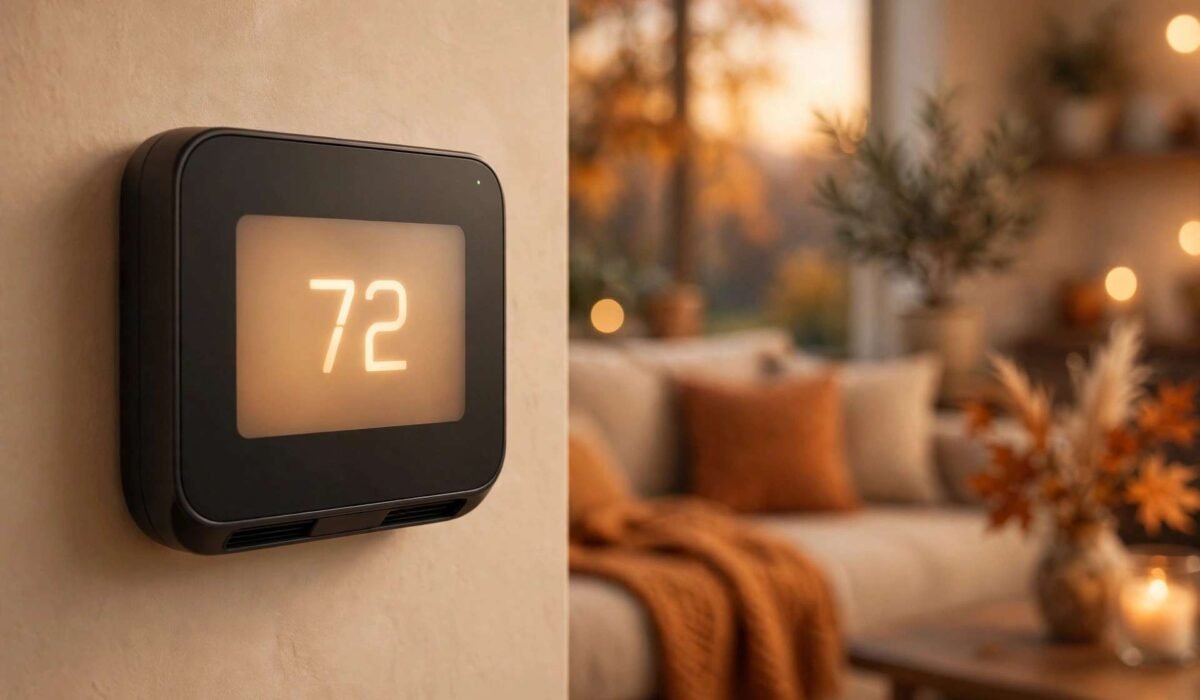
There’s a specific kind of quiet that hits on the first truly cold evening of fall — when your furnace won’t turn on. You walk over to the thermostat, flip it from COOL to HEAT, nudge it up a few degrees — and then… nothing. No click. No hum. No warm air creeping out of the vents. Just silence, and a house that’s getting colder by the minute.
I’ve stood there staring at a thermostat like it was going to apologize. But here’s the thing: when your furnace won’t turn on, it’s very often a simple problem — not a broken furnace. Before you call an HVAC company and pay a diagnostic fee, work through these seven checks in order. They’re arranged cheapest and easiest first — most cost nothing and take about five minutes. And just as important, I’ll tell you exactly where to stop, because some furnace problems are genuinely not DIY territory.
1. Check the Thermostat Settings (Yes, Really — Start Here)
When your furnace won’t turn on, it sounds too simple — which is exactly why it catches people. Confirm three things: the mode is set to HEAT (not COOL or OFF), the set temperature is at least five degrees above the current room temperature, and the thermostat isn’t sitting in a programmed “away” hold from summer. Then check the batteries. A thermostat with dying batteries can have a dim or blank display and still look “fine” at a glance — but it can’t actually call for heat. Pop in fresh batteries; this single step resolves a surprising number of dead-furnace panics every fall.
One more thing: after you change a setting, wait up to five minutes. Many thermostats have a built-in equipment delay to protect the system, so nothing happening in the first sixty seconds doesn’t mean nothing is wrong.
2. Find the Furnace Power Switch (It Looks Like a Light Switch)
Near your furnace — often at the top of the basement stairs, on the wall beside the unit, or mounted on the furnace itself — there’s usually a plain toggle switch. It looks exactly like an ordinary light switch, and that’s the problem: someone flips it off without realizing what it controls. A guest, a kid, or you, back in July, reaching for what you thought was the basement light.
I’ll be honest — the first time my heat “died,” I was twenty minutes into a very confident round of troubleshooting before I noticed that little switch by the basement stairs was sitting in the OFF position. My best guess is I’d flipped it myself months earlier while painting and never flipped it back. Five seconds to fix, and I still think about it every single fall. Make sure yours is ON, then give the furnace a few minutes to respond.
3. Check the Circuit Breaker
Head to your electrical panel and look for a breaker labeled Furnace, HVAC, Air Handler, or Heat. A tripped breaker usually sits in the middle position, between ON and OFF. Push it all the way to OFF first, then firmly back to ON.
Safety note: if the breaker trips again right away, stop resetting it. A breaker that keeps tripping is telling you there’s a real electrical fault, and forcing it back on is how small problems become dangerous ones. That one belongs to an electrician or HVAC technician — not to a third reset attempt.
4. Pull Out the Air Filter (The Number-One “Mystery” Cause)
A filter that’s gray, packed with dust, collapsed, or even just the wrong size restricts airflow. Restricted airflow makes the furnace overheat, and the high-limit safety switch shuts the whole system down to protect it. From your side of the vents, it looks exactly like your furnace won’t turn on. Slide the filter out and hold it up to the light — if you can’t see light through it, it’s done. Replace it with the correct size (printed on the frame), and check the arrow on the edge: it should point toward the furnace, in the direction of airflow.
During heating season, check it monthly. The U.S. Department of Energy’s home energy checklist recommends cleaning or replacing furnace filters regularly and having your heating equipment professionally serviced each year — cheap habits that prevent exactly this kind of no-heat surprise.
5. Make Sure the Access Panel Is Fully Closed
Most modern furnaces have a door safety switch: if the front access panel isn’t fully seated and latched, the furnace won’t even attempt to start. It’s a good safety feature that feels like a malfunction when the panel got bumped ajar during filter changes or storage shuffling around the unit. Push the panel firmly into place and confirm the latch catches. And don’t run the furnace with the panel off “just to test it” — the switch is there because the blower and burner compartment aren’t meant to operate open.
6. Check the Gas Supply and Ignition — and Know Your Boundary
If you have a gas furnace, find the gas valve on the supply line near the unit. The handle should run parallel to the pipe (open); perpendicular means closed. If someone closed it during summer maintenance, that’s your whole problem. For older furnaces with a standing pilot light, look for a small, steady blue flame. If it’s out and you’re comfortable doing so, relight it exactly the way your manufacturer’s instructions describe — they’re usually printed inside the access panel. If the flame is yellow, flickering, or won’t stay lit, stop there.
For newer furnaces with electronic ignition, don’t poke at the ignitor or flame sensor yourself. Instead, look through the panel window for a small blinking light and write down the blink pattern — that error code tells your technician exactly where to start, and you’ll sound like their favorite customer.
Safety note — read this one twice: if you smell rotten eggs or sulfur anywhere near the furnace, don’t flip switches, don’t light anything, and don’t use your phone inside the house. Get everyone outside and call your gas company from out there. Gas leaks are never a DIY diagnosis.
7. Clear the Condensate Drain and Try the Reset Button — Once
High-efficiency (condensing) furnaces produce water as they run. If the little PVC condensate drain line gets clogged — or the drain pan fills up — a safety switch shuts the furnace down. Check the line for kinks or blockages and make sure the pan is empty. You’ll also find a reset button on most burners (often red or yellow). You may press it once, briefly. If the furnace fires up, great — but keep an eye on it.
Safety note: if it trips again, stop pressing it. Repeatedly resetting — especially on an oil furnace — can flood the combustion chamber with unburned fuel and turn a simple service call into a much bigger one. One press is troubleshooting; five presses is a problem you’re making worse.
Normal Startup vs. Warning Signs
| What normal looks like | What’s a warning sign |
|---|---|
| A soft click, the burners ignite, and the blower starts within a minute or two | Repeated clicking with no ignition |
| A steady, low hum while it runs | Loud banging or booming at startup |
| Warm — not scorching — air from the vents | A rotten-egg or sulfur smell: leave the house and call the gas company |
| The system shuts off once the set temperature is reached | Short-cycling: turning on and off every few minutes |
| A faint dusty smell on the very first run of the season | The carbon monoxide alarm sounding: get out and call 911 |
When to Stop and Call a Professional
You’ve done the responsible homeowner checks. If your furnace won’t turn on after these checks, call an HVAC technician if any of these are true: you smell gas, the carbon monoxide alarm sounds, the breaker keeps tripping, there’s water pooling under the unit, the furnace is 15–20+ years old with repeat issues, or the problem is anywhere past the access panel — inside the burner compartment, the heat exchanger, or the gas valve assembly.
Two things worth doing this week regardless: put a battery-operated carbon monoxide detector on every level of your home if you don’t have them, and test the ones you do have. The CDC recommends having your heating system serviced by a qualified technician every year and keeping working CO detectors in the home — carbon monoxide is odorless and colorless, so the detector is the only warning you’ll get.
When you call, make the visit faster and cheaper: tell the technician everything you already checked, the blink-pattern error code if you saw one, and your furnace’s brand, model, and approximate age. You’ve just saved them — and yourself — real diagnostic time.
If your furnace is running again but the house still heats unevenly, run the symptoms through the Home Problem Finder. And while you’re thinking about it, put a monthly filter check and a fall startup test on your Maintenance Planner or the seasonal Maintenance Checklist. The cheapest furnace repair is the one you never need.
Your Furnace Won’t Turn On: Frequently Asked Questions
Why does my furnace click but not turn on?
If your furnace won’t turn on and all you hear is repeated clicking with no ignition, it usually points to an ignition problem — a worn ignitor or a dirty flame sensor on newer furnaces. Confirm the basics first (power switch, breaker, gas valve open), then call a professional rather than cycling it over and over.
Can a dirty air filter really stop a furnace from starting?
Yes. A clogged filter restricts airflow, the furnace overheats, and the high-limit safety switch shuts the system down to protect it. It’s one of the most common “mystery” no-start causes, and a fresh filter costs a few dollars.
How long should I wait after adjusting the thermostat?
Give it up to five minutes. Many thermostats and furnaces have built-in start delays to protect the equipment, so silence in the first minute or two is normal.
Is it safe to relight the pilot light myself?
If your furnace manual covers it and you feel comfortable, yes — follow the manufacturer’s steps exactly. But if you smell gas, the flame won’t stay lit, or anything feels off, stop and call a professional.
My furnace won’t turn on — but it worked fine last winter. Why?
The usual summer-offseason suspects: dead thermostat batteries, a power switch that got flipped, a filter that sat collecting dust for months, or a breaker that tripped during a storm. Work the seven checks above in order and you’ll usually find it.
Be honest — when did you last change your furnace filter? If you had to think about it, that’s your sign — and the most likely reason your furnace won’t turn on this fall. Add a monthly filter check to your Maintenance Planner right now, while you’re thinking about it. Future-you, standing in front of the thermostat on the first cold night of next fall, says thanks.
Not sure what your home needs?
Build a free, personalized maintenance plan in under 2 minutes.
Build My Home PlanRelated Articles
 HVAC & Indoor Climate
Why Is My Upstairs So Much Hotter Than Downstairs? (7 Real Causes & Fixes)
Why is your upstairs so much hotter than downstairs? Learn the 7 real causes, from attic heat to…
 HVAC & Indoor Climate
Why Does My Bathroom Fan Keep Running After I Turn It Off? (5 Real Causes & Fixes)
If your bathroom fan keeps running after you flip the switch off, don't panic. Here are the five…