Why Does My Sump Pump Keep Running? (7 Real Causes)
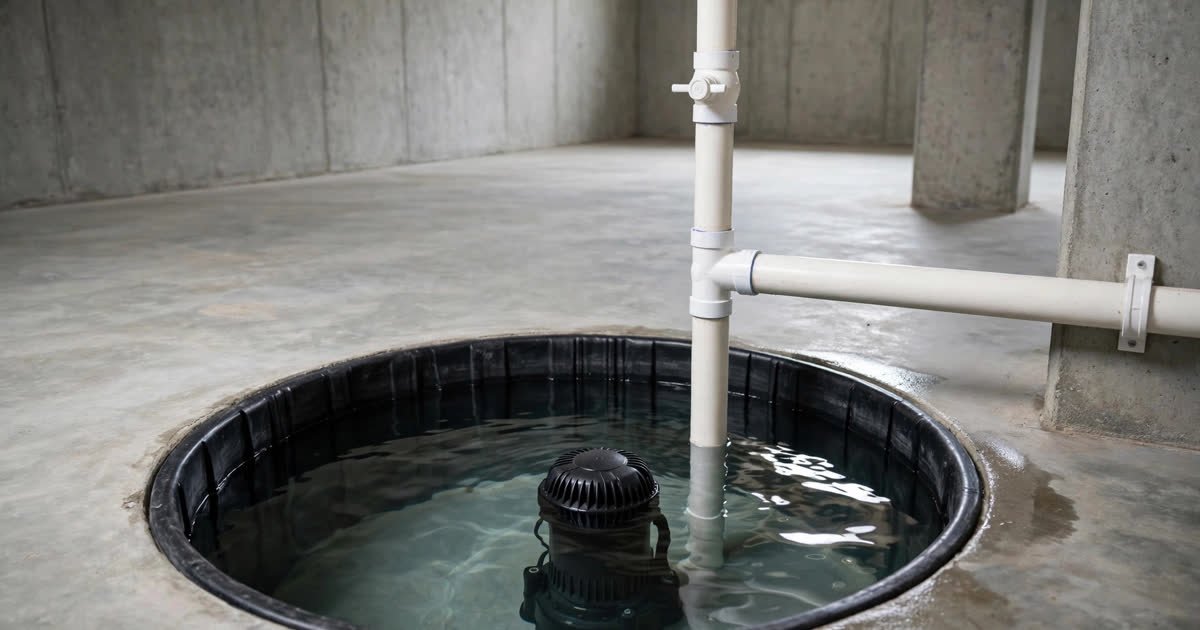
Picture this: it’s late evening, rain is drumming on the windows, and from somewhere below you hear it — the low, steady hum of your sump pump. That’s normal during a storm. But an hour later it’s still humming. Two hours later, still humming. You head down to the basement, and the pump is running nonstop even though the pit looks nearly empty.
A sump pump that never shuts off is telling you something. Left alone, constant running burns out the motor, drives up your electric bill, and — worst of all — can leave you with a dead pump right when the next big storm hits. The good news: the most common causes are cheap and easy to check yourself, and you don’t need any special tools for the first few. If your sump pump keeps running nonstop, start with the simple observation test in the next section.
Table of Contents
Before You Touch Anything: Watch One Full Cycle
Stand by the pit and just observe for a few minutes. You’re looking for one key detail: is the pump actually moving water, or is it running dry?
If water is flowing out and the pit level is dropping, the pump is doing its job — the question is why so much water keeps arriving. If the pit is nearly empty and the pump keeps humming, the problem is in the switch or the plumbing.
Safety first — this part is non-negotiable. A sump pit is water sitting next to electricity. Never reach into the pit while the pump is plugged in — unplug it before you touch the float, the intake screen, or anything else down there. If basement water has risen anywhere near outlets, the breaker panel, or the furnace, stop and call an electrician before you go wading in.
1. The Float Switch Is Stuck or Tangled
The float switch is the little buoyant arm or tethered ball that rises with the water and tells the pump when to turn on and off. If it gets wedged against the side of the pit, tangled in its own power cord, or jammed by debris, it stays in the “up” position — and the pump obediently runs forever.
Unplug the pump, lift the pit cover, and look. Is the float pressed against the pit wall or the discharge pipe? Is the cord wrapped around it? Free it gently and plug the pump back in. Then pour a bucket of water into the pit: the pump should kick on as the float rises and shut off when the water drops to a couple of inches.
Tethered floats need a wide pit to swing freely; if yours keeps wedging in a narrow pit, a vertical-float switch solves it permanently. If the float moves freely but the pump still won’t shut off, the switch itself has likely failed — North Dakota State University Extension’s sump pump guide covers the common types.
DIY or pro? Freeing a stuck float is firmly DIY. Replacing a switch is DIY-friendly too if the power stays unplugged the whole time.
2. The Check Valve Is Missing or Has Failed
When your pump shuts off, the water sitting in the vertical discharge pipe wants to flow right back down into the pit. A check valve — a small one-way valve on the discharge pipe just above the pump — stops that. If it’s missing, installed backward, or worn out, every gallon the pump pushes up trickles back down, the level rises, and the pump fires right back up.
Watch right after the pump shuts off. If you hear water gurgling back down into the pit instead of the usual soft thunk of the valve closing, that’s your answer. Replacing it is straightforward: cut the pipe, slip in the new valve with the arrow pointing away from the pump, and clamp it.
DIY or pro? Confident DIY with a hacksaw or pipe cutter and hose clamps. If the pipe is glued PVC with no slack, a plumber can sort it quickly.
3. The Discharge Line Is Clogged or Frozen
Your pump can only move water as fast as the discharge line lets it. If that line is clogged with sediment, blocked by a mulch pile or kinked hose outside, or frozen solid where it exits the house, water backs up and the pump runs without making progress.
Trace the line from the pump to where it dumps water outside. With the power off, check for clogs and make sure the outside outlet isn’t buried under leaves, soil, or ice.
Also check where the line ends: if it dumps water two feet from the foundation, that water seeps back into the ground and returns to the pit — an endless loop that mimics a pump problem. The outlet should terminate at least 10 feet from the house on ground that slopes away.
DIY or pro? Clearing blockages is DIY. Rerouting a line or burying it below the frost line is a pro job if it involves digging or cutting through the foundation wall.
4. The Float Is Set Too Low
If the float activates at too low a water level, the pump starts on barely any water, runs briefly, shuts off, and restarts minutes later. This rapid on-off cycling (“short cycling”) wears out the motor and switch far faster than normal, and a pump that keeps sucking air runs hot, since these pumps rely on surrounding water for cooling.
If the pump kicks on when the pit is only a few inches deep and shuts off almost immediately, the activation point is too low. Many floats are adjustable, so set the pump to trigger at roughly 6 to 8 inches and shut off with an inch or two remaining.
DIY or pro? DIY. A five-minute adjustment, confirmed with the bucket test from Cause #1.
5. Silt and Debris Are Choking the Intake
Over time, the pit bottom collects silt, grit, and small stones that wash in with groundwater. That sludge clogs the intake screen — so the pump works harder and longer to move the same water — or jams the float from below. If your pit looks more like a mud puddle than a water basin, this is a strong suspect.
Unplug the pump and bail or wet-vac the pit down. Scoop out the sludge, rinse the intake screen, and set the pump level on a solid base — a pump tipped sideways in soft silt can’t draw properly.
Apply the same isolate-the-source logic you’d use when water pressure drops in only one faucet: is the pump itself struggling, or is the water supply simply relentless?
DIY or pro? Classic DIY — messy, but simple. Do it once a year, ideally each fall, and add a fitted pit cover to keep new debris out.
6. The Pump Is Overwhelmed by the Water Coming In
After days of heavy fall rain, or in a home over a high water table, groundwater can pour in faster than a standard residential pump can remove it. The EPA notes that sump pumps are one of the recommended defenses against basement water seepage, and this is exactly the scenario they’re for.
If the pit stays full while the pump runs and the discharge line is gushing outside, the pump is keeping up — not malfunctioning. If ordinary rain keeps the pump running for days, the pump may be undersized — or your gutters, downspouts, and grading are dumping too much water toward the foundation. Extending downspouts and regrading soil away from the house are the cheapest ways to lighten the pump’s load.
DIY or pro? Gutters and grading are DIY. Sizing and installing a larger pump — or adding a second one — is a pro job.
7. The Pump Is Worn Out
Most residential units are good for about 7 to 10 years, and a pump that has spent years short-cycling or running dry ages even faster. When motor windings wear or internal seals fail, the pump can lose the ability to shut off properly, run hot, and eventually seize — often during the storm you needed it most. Like a furnace that won’t turn on, pump failures have a cruel sense of timing.
Warning signs: age over 7 years, louder humming, running hot, tripping the breaker, or moving less water than it once did. If Causes #1–#6 all check out, age is the likely answer. When you replace it, match the old pump’s horsepower and flow rating, and replace the check valve too.
DIY or pro? A handy homeowner can swap a like-for-like pump. Different sizing, a battery backup, or any electrical work beyond an existing outlet — bring in a pro.
Quick-Reference: Cause vs. Symptom vs. Fix
| # | Cause | Telltale sign | DIY difficulty | Typical cost |
|---|---|---|---|---|
| 1 | Stuck or tangled float switch | Pit nearly empty but pump keeps running | Easy (free) | $0 |
| 2 | Failed or missing check valve | Water gurgles back into pit after shutoff; rapid cycling | Moderate | $15–$40 |
| 3 | Clogged or frozen discharge line | Pump strains, little water exits outside | Easy–Moderate | $0–$50 |
| 4 | Float set too low | Pump cycles on and off every few minutes | Easy (free) | $0 |
| 5 | Silt choking the intake | Pit full of sludge; pump works harder than before | Easy (messy) | $0 |
| 6 | Pump overwhelmed by inflow | Pit stays full during/after heavy rain; strong discharge flow | Varies | $0 (grading) – pro quote |
| 7 | Worn-out pump (7–10 yrs) | Old unit, louder, runs hot, moves less water | Moderate / Pro | $150–$400+ |
When to Call a Professional
- Anything electrical beyond unplugging. Breaker tripping, a hot-plastic smell, or no GFCI protection — call an electrician.
- Water near the panel or outlets. Stay out and call for help.
- The pump runs with no water and a free float. That points to internal failure.
- You need a bigger pump or a new discharge route. Sizing and foundation work are pro territory.
Sump Pump Keeps Running: Frequently Asked Questions
Is it bad for a sump pump to run constantly?
Yes. These pumps are built for intermittent duty. Constant running overheats the motor, wears seals and bearings, shortens the pump’s life, and raises your electric bill.
How long should a sump pump run in one cycle?
Typically 20 seconds to a couple of minutes, depending on inflow.
Should my sump pump run when it isn’t raining?
Occasionally, yes — a high water table can keep a pit filling for days after rain stops. But constant running in dry weather with little water in the pit is almost always a switch or plumbing issue, not a water issue.
Why does my sump pump turn on and off every few minutes?
That’s short cycling — usually a failed check valve letting water flow back (Cause #2) or a float set too low (Cause #4). Both are cheap fixes.
When should I call a professional instead of fixing it myself?
For household wiring issues, upsizing the pump, new discharge routing, or flooding a working pump can’t control.
Your Pump Is Talking — Are You Listening?
A sump pump that won’t quit is one of the most honest appliances in your house: it never runs constantly without a reason. There’s a reason moisture control tops EPA’s list of the ten things every homeowner should know about mold — a dry basement protects everything above it. If your sump pump keeps running, the causes above cover nearly every case — and most fixes are simpler than you’d expect.
So: when did you last actually look at your sump pump?
Want to stay ahead of the next surprise? Run your symptoms through the Problem Finder, add a yearly sump-pump check to your Maintenance Planner, and grab the seasonal tasks from the Maintenance Checklist so nothing this important slips through the cracks again.
Not sure what your home needs?
Build a free, personalized maintenance plan in under 2 minutes.
Build My Home PlanRelated Articles
 Moisture & Basement
Why Does My House Smell Musty When It Rains? 7 Real Causes & Fixes
Why does your house smell musty when it rains? It usually means moisture is sneaking in somewhere. Here…
 Moisture & Basement
Why Is There Frost on the Inside of My Front Door? (Causes and Fixes)
Frost on the inside of a front door is not a door that has failed. It is a…
 Moisture & Basement
Why Is There Frost on the Nails in My Attic? (What It Means and What to Do)
You climb into the attic on a freezing morning, shine a flashlight at the roof deck, and every…