Why Does My Smoke Detector Beep Randomly? 7 Real Causes & Fixes
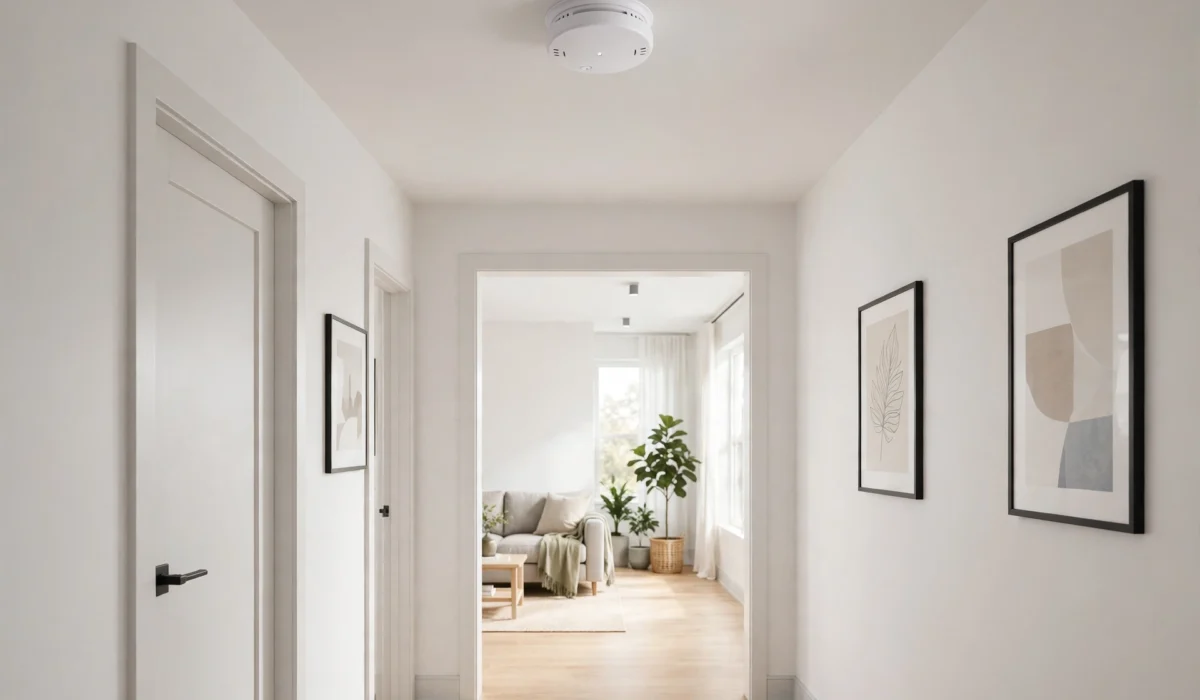
If you are wondering why does my smoke detector beep randomly, you are not alone — and you are right to take it seriously. That single chirp in the middle of the night is annoying, but it is also your alarm trying to tell you something. Sometimes the message is simple, like a weak battery. Other times it points to dust, age, wiring, or a bad location.
The good news is that most random beeps have a quick, safe fix if you work through the causes in order — instead of just pulling the battery out. Removing a battery leaves you unprotected, and that is never worth a quiet night.
First, Is It a Chirp or a Full Alarm?
Before you troubleshoot, listen carefully. A full, loud, continuous alarm means the detector senses smoke or fire — get out, call 911, and do not go back inside to investigate. A short, single chirp every 30 to 60 seconds is different. That pattern usually signals a maintenance problem, not an emergency.
Also check whether other alarms are sounding. In many homes, detectors are interconnected, so when one sounds, they all sound. Walk room to room and look for the unit with a flashing red light — that unit usually started the chain.
1. A Weak, Loose, or Wrong Battery
A low battery is still the number one reason a smoke detector chirps, even when the battery looks new. Batteries can sit on a store shelf for months or lose charge in a cold garage, and a loose contact can cut power for a split second.
Replace the battery with a fresh one from a sealed package, using the exact type printed on the back of the alarm. Push it firmly into place until the drawer clicks shut. For a hardwired alarm, replace the backup battery at least once a year, even if it seems fine.
2. Dust, Dirt, and Tiny Insects Inside the Sensor
Smoke detectors work by sensing tiny particles in the air. Dust, pet hair, cooking grease, and even a small spider can get inside the sensing chamber and confuse it, especially after remodeling work.
Turn the power off for a hardwired unit first, then remove the alarm from its bracket. Use a soft brush or a vacuum with a brush attachment to clean the vents gently. Never use water or cleaning spray, which can damage the sensor. Reinstall and test it.
3. The Alarm Is Past Its 10-Year Life
Many homeowners do not realize that smoke detectors expire. The sensor inside degrades slowly over time, even if the test button still works. The U.S. Fire Administration recommends replacing the entire alarm every 10 years, and the same guidance appears in First Alert’s explanation of the 10-year replacement rule.
Check the manufacture date printed on the back of the unit. If it is 10 years old or older, or if you cannot read the date, replace it. No new battery will fix an expired sensor, and an old alarm may chirp, false-alarm, or fail when it matters most. This is one of the most overlooked reasons why does my smoke detector beep randomly in older homes.
4. One Alarm Is Triggering All the Others
If every alarm in your house chirps at once, do not assume they are all broken. Interconnected alarms work as a team, so a weak battery, dust, or a failing sensor in one unit can set off the whole group.
Silence the system if your model allows it, then check each alarm for a blinking indicator light. The originating alarm often blinks faster. Fix or replace that unit first, then test the rest, and check brand compatibility if you recently mixed brands.
5. A Wiring or Power Problem in a Hardwired Alarm
Hardwired smoke detectors run on your home’s electrical circuit, with a battery as backup. If the circuit trips, a wire loosens, or power flickers, the alarm may chirp as it switches to battery power. A breaker that keeps tripping is a clue worth chasing.
Check your breaker panel for a tripped breaker and reset it once. If it trips again, or if you see scorch marks, buzzing, or a burning smell, stop and call a licensed electrician. Similar quirks — for example, lights that dim when the furnace turns on — can also point to a circuit that needs a professional look.
6. It Is Installed in the Wrong Spot
Location matters more than most people think. An alarm placed too close to a kitchen, bathroom, or laundry room will react to steam, shower humidity, and cooking fumes. That is why a detector near a bathroom door may chirp after every hot shower, even though there is no smoke at all.
The U.S. Fire Administration recommends alarms inside every bedroom, outside each sleeping area, and on every level of the home, at least 10 feet from a cooking appliance. If yours is too close to steam or cooking, move it away from vents and ceiling fans. A photoelectric alarm is also less prone to cooking nuisance alarms.
7. Temperature Swings, Humidity, and Drafts
Cold nights, a drafty hallway, or a sudden change in humidity can also trigger a chirp. Batteries lose voltage in the cold, which is one reason beeping often starts at 2 or 3 a.m. when the house is coolest. Condensation, a nearby attic hatch, or air blowing directly from a vent can disturb the sensor in the same way.
Keep alarms away from exterior doors, attic openings, and supply vents. If the beeping lines up with cold snaps, try a fresh lithium battery, which handles temperature changes better than alkaline. Sealing a new draft may also quiet the alarm for good.
Why Does My Smoke Detector Beep Randomly at Night?
Nighttime beeping has a practical reason. As temperatures drop overnight, battery voltage drops slightly, and a battery that was just strong enough during the day can dip below the alarm’s threshold at night. The house is also quieter, so a daytime chirp suddenly wakes you.
Humidity from a nighttime shower, a furnace cycling on, or a cold hallway draft can add to the effect. If your alarm only beeps at night, start with a fresh battery and a quick cleaning, then check whether it sits near a vent or a cold stairwell. Moving it a few feet often ends the 3 a.m. wake-up call.
Why Does My Smoke Detector Beep Randomly After a Battery Change?
A chirp right after a battery change usually has a simple explanation. The new battery may be the wrong type, it may not be fully seated, or the alarm may need a reset to clear its low-battery warning.
Remove the battery, press and hold the test button for 15 to 20 seconds to drain any residual charge, then install a fresh, correct battery and press the test button again. If the chirp continues, check the manufacture date. An alarm that keeps chirping with a brand-new battery is often telling you it has reached the end of its life, not that the battery is bad.
What the Beep Pattern Means
Different patterns mean different things, and your manual is the final authority. Use this table as a quick starting point, then confirm the pattern for your exact model.
| What you hear | What it usually means | What to do first |
|---|---|---|
| One chirp every 30–60 seconds | Low battery or power problem | Replace the battery; check the breaker |
| Chirp every few minutes, irregular | Dust, humidity, or a failing sensor | Clean the vents; check the age of the unit |
| Three loud beeps, repeated | Smoke or fire alarm | Get out and call 911 |
| Four loud beeps, repeated | Carbon monoxide (combo alarms) | Get out and call 911 |
| Chirp after a new battery | Loose battery, wrong type, or expired alarm | Reseat, reset, then check the date |
Never ignore three or four loud beeps, even if you cannot see smoke. Carbon monoxide is odorless and invisible, and a combo alarm’s four-beep pattern is a get-out-now warning, not a maintenance reminder.
Step-by-Step: Silence a Random Beep Safely
Work through these steps in order, and stop at the step that fixes the problem. Do not skip ahead to removing the battery and leaving the alarm disabled.
- Confirm it is a chirp, not a full alarm. If it is a full alarm, leave the house and call 911.
- Find the originating alarm. Look for the fastest-blinking light among interconnected units.
- Replace the battery with a fresh, correct type and seat it firmly.
- Reset the alarm by holding the test button for 15 to 20 seconds with the battery out, then reinstalling it.
- Clean the vents gently with a soft brush or vacuum attachment.
- Check the date on the back. Replace the whole unit if it is 10 years old or older.
- Check the breaker for a hardwired alarm, and look for loose wiring only if you are qualified to do so safely.
- Test every alarm monthly with the test button, and add the task to your home maintenance checklist so it does not slip.
When to Replace the Alarm — and When to Call a Professional
Replace the alarm if it is 10 years old, if it chirps with a new battery, if it false-alarms repeatedly after cleaning, or if the plastic is yellowed or cracked. A new alarm with a sealed 10-year battery removes the annual battery chore entirely. Keep the same type — hardwired for hardwired — unless an electrician advises otherwise. If you still ask why does my smoke detector beep randomly after all these checks, replacement is usually the answer.
Call a licensed electrician if a breaker keeps tripping, wiring looks damaged, or a hardwired alarm keeps losing power. Your local fire department’s non-emergency line can help if you are unsure an alarm is working. If you ever suspect fire or carbon monoxide, call 911 first. Like a bathroom fan that keeps running or a furnace that will not turn on, a chirping detector is a symptom — fixing the cause beats silencing the symptom.
Frequently Asked Questions
Can I just remove the battery to stop the beeping?
No. A smoke alarm without power cannot warn you, and many fatal home fires happen in homes with missing or dead batteries. Fix the cause or replace the alarm — but never leave it disabled overnight.
How often should I test my smoke detectors?
Test them once a month using the test button, and replace batteries at least once a year for models with replaceable batteries. Monthly testing takes less than a minute per alarm and confirms the sounder, battery, and circuitry still work.
Why do all my smoke detectors beep at the same time?
Interconnected alarms are designed to sound together, so one faulty or low-battery unit can trigger the rest. Find the originating alarm by its indicator light, fix that unit, and the others should settle.
Should I replace all my smoke detectors at once?
Not necessarily, but it is often practical if they were all installed at the same time, since they will expire together. Replacing them as a set also keeps brands and interconnection compatible, which reduces future false alarms.
Conclusion
A smoke detector that beeps randomly is rarely broken for no reason. In most homes, the cause is a weak battery, dust in the sensor, an alarm past its 10-year life, or a spot too close to steam and cooking fumes. Work through those checks in order, and replace aging alarms without delay.
Quiet is good, but protection is the point. A working alarm gives your family precious minutes in a fire. Fix the beep properly tonight, test your alarms monthly, and sleep better knowing they will speak up when it truly matters.
Not sure what your home needs?
Build a free, personalized maintenance plan in under 2 minutes.
Build My Home PlanRelated Articles
 Electrical & Safety
Why Does My House Smell Like Fish When There’s No Fish? 7 Causes (One Is a Fire Warning)
A fishy smell with no fish in sight? Here are the 7 real causes — including one fire…
 Electrical & Safety
Why Do My Lights Dim When the Furnace Turns On? (Normal vs. Warning Sign)
Does it happen for about a second, right when the furnace starts, and then everything goes back to…
 Electrical & Safety
Why Does My Ceiling Fan Wobble Only on High Speed? (Real Fix)
Here’s something most people don’t expect: a small amount of movement at top speed is completely normal for…