Why Does My House Smell Musty When It Rains? 7 Real Causes & Fixes
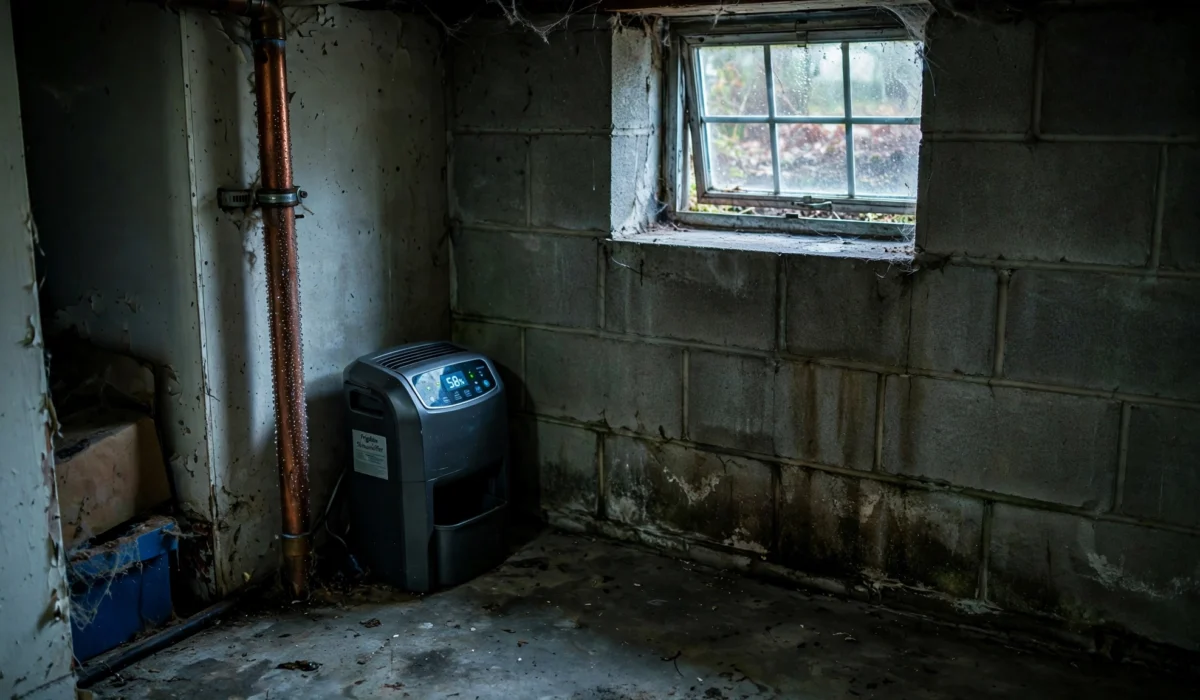
You notice it every time a storm rolls through: that damp, earthy smell drifting up from the basement or settling into the hallway. If you have been wondering why does my house smell musty when it rains, here is the honest answer — the odor is your home telling you that moisture is getting in somewhere it should not. Rain does not create the smell; it reveals the water paths that have been quietly feeding mold, mildew, and damp materials all along.
The good news is that a musty smell that appears only during rain is usually easier to trace than a year-round odor, because you can watch exactly where water goes during a storm. In this guide, we will walk through the seven most common reasons a house smells musty when it rains, how to pinpoint yours, and what to do about each one — starting with the simplest checks you can do this weekend.
Why Does My House Smell Musty When It Rains? 7 Real Causes
That musty odor comes from mold, mildew, or bacteria growing on damp organic material — wood framing, the paper facing on drywall, carpet backing, dust, even stored cardboard boxes. Mold needs three things: moisture, food, and time. A rainy spell delivers the moisture; your walls, floors, and ducts supply the food. Here are the seven places that moisture most often sneaks in.
1. Foundation seepage during heavy rain
When the soil around your foundation gets saturated, water presses against basement walls and floors — what builders call hydrostatic pressure — and finds its way through hairline cracks, the cove joint where the wall meets the floor, and porous concrete itself. Even a slow seep that never forms a real puddle can keep wall materials damp enough to grow mold, and that dampness announces itself as a musty smell every time it rains hard.
The fix: Start outside. Walk your foundation during a heavy rain and look for water pooling against the house. Patch small wall cracks with hydraulic cement, and make sure your sump pump is actually keeping up instead of just running — a pump that cannot keep the pit empty during a storm is a musty basement waiting to happen.
2. Clogged gutters and short downspouts
Gutters exist for one job: moving roof water away from your foundation. When they are clogged, water cascades over the edge and dumps hundreds of gallons right next to your basement wall. A single inch of rain on a 1,500-square-foot roof produces nearly 1,000 gallons of runoff — more than enough to soak the soil against your foundation and feed the musty smell indoors.
The fix: Clean the gutters, check the seams for drips, and extend downspouts at least 4 to 6 feet away from the house. If you are unsure how often to do this, our guide on how often to clean your gutters lays out a simple schedule, and here is what to do about a gutter leaking at the seam before the next storm.
3. Poor grading around the foundation
The ground around your home should slope away from the foundation — roughly six inches of fall over the first ten feet. Many yards settle into a low spot over the years, or mulch beds get built up against the siding, and suddenly every rainstorm sends water toward the house instead of away from it. That water soaks the foundation perimeter and keeps the lowest level of your home perpetually damp.
The fix: Grab a level and a tape measure on a dry day. Fill low spots along the foundation with compacted soil (not mulch, which holds water), and keep the top of the soil at least six inches below your siding.
4. Condensation on cold basement surfaces
Sometimes the “leak” is really rain plus humidity. Warm, humid air drifts into the basement through open windows, gaps around pipes, or an uncovered sump pit. When it hits cold concrete walls or cold-water pipes, it condenses — the same way a cold drink sweats on a summer day. That steady film of dampness grows mildew on walls and stored belongings, and the smell spikes on rainy, humid days when indoor humidity climbs highest.
The fix: Keep basement relative humidity below 60% with a dehumidifier, insulate cold-water pipes with foam sleeves, and avoid opening basement windows on humid days.
5. Mold hidden inside walls or under flooring
A roof leak, a slow plumbing drip, or failed window flashing can soak the inside of a wall cavity for months without a single visible stain. Rain reactivates that hidden dampness and pushes the musty odor into the room through outlets, baseboards, and vents. If the smell is strong in one room but you cannot see anything wrong, the mold is often behind the wall — and the U.S. Department of Energy notes that mold cannot grow without moisture, so killing the smell always starts with stopping the water.
The fix: Probe suspicious walls with a pin-type moisture meter (readings consistently above 17% in wood framing spell trouble). Cut a small inspection hole behind the baseboard in the worst spot before committing to a bigger repair.
6. A damp crawl space
Homes built over vented crawl spaces pull a surprising amount of air upward from below — the stack effect can draw a large share of your first floor’s air straight from the crawl space. If that space is damp after rain, the musty air rises directly into your living rooms, and no amount of air freshener upstairs will fix it.
The fix: Lay a heavy vapor barrier over exposed crawl-space soil, make sure crawl-space vents are not funneling rainwater inside, and consider a small crawl-space dehumidifier if the ground stays damp for days after storms.
7. HVAC drain pan and ductwork problems
Your air conditioner wrings humidity out of the air by condensing water onto the evaporator coil, which drains to a pan and out through a condensate line. When that line clogs with slime and algae — and it will, eventually — the pan overflows and soaks the area around the air handler, or the standing water in the pan grows mold itself. That musty air then rides the ductwork to every room, and it is worst on rainy days when the system runs longer to fight the humidity.
The fix: Find the condensate line (usually a PVC pipe near the indoor unit), flush it with a cup of distilled white vinegar every few months, and check the drain pan for standing water or slime each cooling season.
Which Cause Is Yours? Match the Clues
Before you spend a dollar, narrow it down. Figuring out why does my house smell musty when it rains is mostly a matter of matching where the smell is strongest with where water is getting in. Rain makes the clues fresh, so grab a flashlight and check during or right after the next storm.
| What you notice | Most likely cause | First check |
|---|---|---|
| Smell strongest in the basement, worse near the walls | Foundation seepage | Look for damp spots, white efflorescence, or seepage at the wall-floor joint during rain |
| Smell near exterior walls or below the roofline | Gutters or roof drainage | Watch the gutters during rain; check where each downspout discharges |
| Smell confined to one room | Hidden mold in a wall or floor cavity | Check the wall’s exterior side for flashing or roof leaks; probe with a moisture meter |
| Smell rises through floors or vents, whole house | Crawl space or HVAC | Peek into the crawl space after rain; inspect the HVAC drain line and pan |
| Smell fades within a day of dry weather | Condensation and humidity | Read basement humidity with a hygrometer — consistently over 60% points here |
What to Do When Your House Smells Musty When It Rains
Work in this order: dry first, then find the water, then fix the source. Treating mold before stopping the moisture just buys you a few weeks of fresh-smelling air.
- Dry everything out. Run a dehumidifier in the dampest area and aim for 30–50% relative humidity. Pull stored items away from damp walls, and throw out wet cardboard — it is mold food, not storage.
- Trace the water path during the next rain. Walk the exterior: overflowing gutters, downspouts ending at the foundation, puddles hugging the house. Inside, check the wall-floor joint, window wells, and the ceiling below bathrooms.
- Fix exterior water management first. Clean the gutters, add downspout extensions, and regrade low spots. These are the cheapest fixes on this list, and they resolve a surprising number of musty-smell cases on their own.
- Seal from the inside where it helps. Hydraulic cement stops active crack leaks, and masonry waterproofing paint on bare walls slows seepage — with one honest caveat: interior sealers manage symptoms, while exterior drainage fixes the cause. This waterproofing guide walks through the dos and don’ts of sealing basement walls from the inside.
- Treat mold safely. Small patches (under about 10 square feet) on hard surfaces can be scrubbed with detergent and water once the area is fully dry. Wear a mask and gloves, ventilate the room, and never mix cleaning chemicals. Larger growth, mold inside ductwork, or mold you cannot fully see calls for a professional remediator.
- Keep it dry going forward. Run bathroom fans during showers and 20 minutes after, venting outdoors — not into the attic. Keep a basement dehumidifier set near 45%, and add drainage and moisture checkpoints to your seasonal home maintenance checklist so the problem does not quietly return.
Simple Habits That Keep Your House From Smelling Musty When It Rains
- Clean gutters at least twice a year — spring and fall — and once more after any major storm.
- Walk the foundation perimeter every spring and top up any soil that has settled into a low spot.
- Store basement and crawl-space belongings in plastic bins, never cardboard.
- Replace HVAC filters on schedule and flush the condensate line each cooling season.
- Fix small roof and flashing issues the season you spot them, not the season they become leaks.
FAQ: Musty Smell When It Rains
Q: Is a musty smell when it rains dangerous?
A: The smell itself is a symptom, not the hazard — but what causes it can be. Mold exposure can trigger allergies, asthma flare-ups, and sinus irritation, especially in kids and older adults. Take the smell as an early warning and fix the moisture behind it.
Q: Why does the smell disappear when the rain stops?
A: Airflow and drier surfaces carry the odor away, and surface mold goes dormant. The colonies are still there, though — they reactivate with the next wetting, which is why the smell returns like clockwork with every storm.
Q: Can I just cover it up with air fresheners or run an ozone generator?
A: Fresheners mask the odor while mold keeps growing behind the wall. Ozone generators can damage rubber, fabrics, and electronics — and irritate your lungs — without fixing the moisture. Stop the water first; the smell follows.
Q: When should I call a professional?
A: Call one if the smell persists after you have dried the space and fixed drainage, if mold covers a large area, if water is entering through foundation cracks, or if you suspect a roof leak you cannot safely inspect yourself.
The Bottom Line
A house that smells musty when it rains is giving you an early warning — moisture is getting in, and right now it is still just a smell instead of rotted framing or a ruined finished basement. Follow the water during the next storm, start with gutters and grading, and work your way inward. Handle it this season, and the next time you catch yourself asking why does my house smell musty when it rains, you will already know where to look — and exactly what to do about it.
Not sure what your home needs?
Build a free, personalized maintenance plan in under 2 minutes.
Build My Home PlanRelated Articles
 Moisture & Basement
Why Is There Frost on the Inside of My Front Door? (Causes and Fixes)
Frost on the inside of a front door is not a door that has failed. It is a…
 Moisture & Basement
Why Is There Frost on the Nails in My Attic? (What It Means and What to Do)
You climb into the attic on a freezing morning, shine a flashlight at the roof deck, and every…
 Moisture & Basement
Why Does My Sump Pump Keep Running? (7 Real Causes)
Picture this: it’s late evening, rain is drumming on the windows, and from somewhere below you hear it…