How Often Should You Clean Your Gutters? (7 Rules Homeowners Swear By)
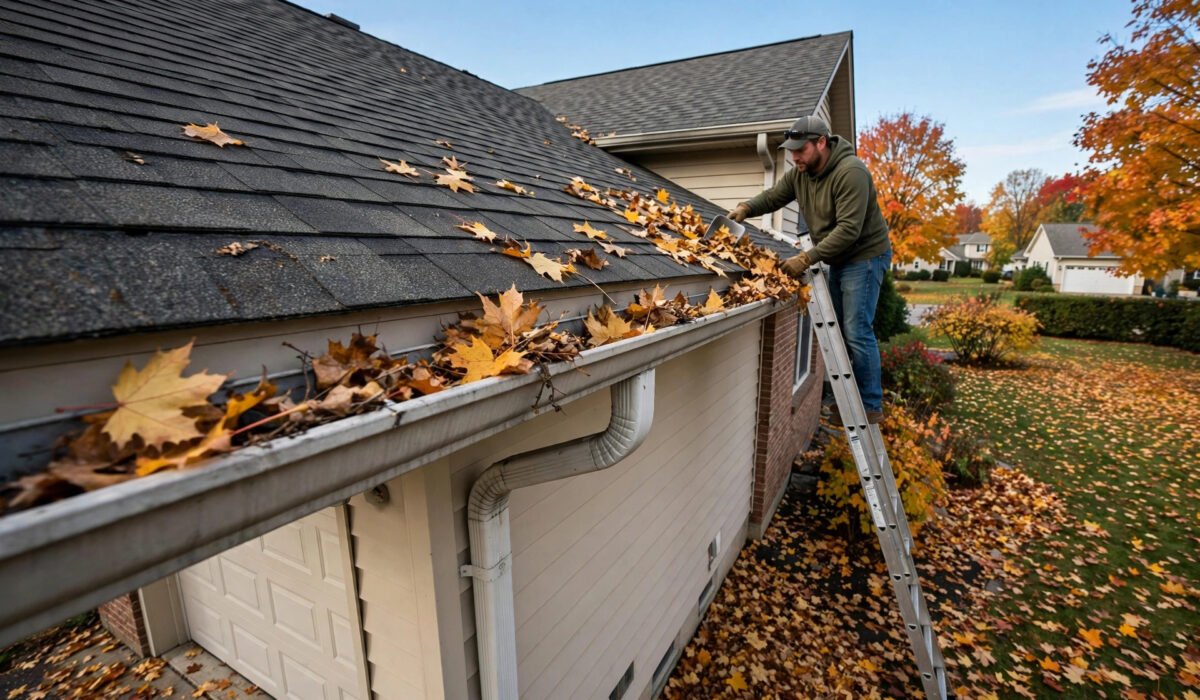
So, how often should you clean gutters? The honest answer is not the same for every home. Most houses do fine with a thorough cleaning twice a year, once in late fall and once in late spring. But if big maples hang over your roof, or you just lived through a windy storm, that twice-a-year rhythm might not be enough. Clogged gutters do not just look messy — they spill water against your fascia, foundation, and basement, quietly causing thousands of dollars in damage. This guide gives you seven practical rules that decide your exact schedule, so you clean them exactly when they need it and never waste a Saturday on a job that could wait.
The Short Answer: How Often Should You Clean Gutters?
Plan on cleaning your gutters at least twice a year: once in late fall, after most leaves have dropped, and once in late spring, to clear seed pods, blossoms, and winter debris. That is the baseline that gutter professionals and manufacturers recommend for the average home.
Then adjust from there. The seven rules below tell you when to clean more often, when you can safely stretch the interval, and the warning signs that mean your gutters need attention right now — no matter what the calendar says. Think of twice-a-year cleaning as your default appointment, and the rules as your decision-making toolkit.
The 7 Rules That Decide Your Gutter Cleaning Schedule
Every home has its own debris load. Work through these rules one by one, and you will land on a schedule that fits your house, not your neighbor’s.
Rule 1: Start With the Twice-a-Year Baseline
Fall cleaning should wait until most leaves are down — clean too early and you will be back up the ladder in two weeks. Aim for late October through November in most of the country. Spring cleaning is best done in late April or May, after pollen season and the little helicopter seeds and blossoms have stopped falling.
This baseline matters more than anything else on this list. As This Old House’s gutter guide notes, cleaning in the spring and fall is the minimum for keeping water flowing and preventing damage — and a 25-year veteran handyman quoted there warns that clogged gutters can send meltwater into walls and cause thousands of dollars in damage (This Old House’s step-by-step gutter cleaning guide).
Rule 2: Count the Trees Overhanging Your Roof
This is the single biggest factor that changes how often you should clean gutters. No overhanging trees? Twice a year is plenty. A couple of trees near the house? Add a quick mid-summer check. Big pines or oaks that hang directly over your roofline? You are likely looking at three or four cleanings a year, with the worst buildup in late fall.
Pay special attention to pine trees — they shed needles year-round, and needles mat together into a sodden layer that rain cannot drain through. Maples and oaks are seasonal dumpers: helicopter seeds in spring, leaves in fall. If you are unsure, peek inside a gutter after a storm. It takes ten seconds with a ladder or even a pair of binoculars from the yard. If you are wondering how often should you clean gutters, start by looking at your trees — they change the answer more than roof type, gutter style, or guards do.
Rule 3: Know Your Roof Pitch and Gutter Style
Steep roofs shed debris quickly; flatter roofs let leaves sit and soak. Narrow, half-round gutters clog faster than wide K-style gutters. And if your downspouts connect at inside corners — where two roof slopes meet — those elbows are clog magnets and deserve an extra look every time.
Older gutters with peeling paint or rough seams also trap more debris than smooth new ones. If your gutters are sagging or pulling away from the fascia, debris accumulates in the low spots. While you are up there checking, watch for seam problems too — our guide to gutter seam leaks explains what that slow drip at the joint really means.
Rule 4: Adjust for Gutter Guards — But Do Not Skip Cleaning Entirely
Gutter guards genuinely reduce how often you should clean gutters. Mesh screens, foam inserts, and reverse-curve covers keep most leaves out while letting water in. But they are not magic. Small debris, roof grit, and pollen still get through, and guards themselves can get buried under wet leaves that block water from reaching the gutter at all.
With good gutter guards, most homeowners can drop to one thorough cleaning per year, plus a quick visual check each fall. Without guards, stick to the full twice-a-year schedule. If you are considering guards, weigh the upfront cost against a few hundred dollars a year in professional cleanings — for many homes, guards pay for themselves within two or three years.
Rule 5: Clean After Big Storms and High Winds
Storms do not care about your schedule. One October windstorm can fill a freshly cleaned gutter with branches and leaves overnight. After any major storm, the question is not how often should you clean gutters — it is whether you need to clean them right now. After any major storm, do a ground-level check: look for overflow streaks on the siding, water spilling over the gutter edge, or debris visibly piled in the channel.
This is especially important before winter. Family Handyman’s winterizing guide specifically calls out cleaning gutters before cold weather hits, because leaves and debris in gutters restrict the flow of melting snow and lead to ice dams (how to winterize your home). A storm-filled gutter in November is a frozen gutter in January.
Rule 6: Watch the Warning Signs — They Override the Calendar
Sometimes your gutters tell you it is time, even if you cleaned them last month. The classic warning signs include:
- Water spilling over the sides of the gutter during rain instead of flowing to the downspout
- Birds, squirrels, or insects nesting in the gutter channel
- Plants or grass sprouting out of the gutter — yes, it really happens
- Sagging sections or gutters pulling away from the roof
- Water stains or mildew on your siding beneath the gutter line
- Erosion channels or mulch washed away in the planting beds below
This Old House’s gutter maintenance overview lists these same indicators — water spilling over the sides, sagging, and stains on exterior walls — as the clear signs it is time to clean or call for help (signs your gutters need attention). If you see two or more, do not wait for your scheduled cleaning.
Rule 7: Factor in Ice-Dam Country
If you live where snow sits on the roof for weeks — the Upper Midwest, New England, the Mountain states — your fall gutter cleaning is the most important maintenance task of the year. Clogged gutters trap meltwater, which refreezes at the eave, building the ice dam that forces water under your shingles and into your walls and attic.
In ice-dam regions, clean gutters in late fall no matter what, and consider a mid-winter check after heavy snow if the forecast swings above and below freezing. Moisture problems up high have a way of showing up in odd places — if you have ever wondered why your attic smells damp in winter, read our piece on frost on attic nails, which often traces back to the same trapped-meltwater problem.
The Seasonal Gutter Cleaning Calendar
Here is how the year should look for a typical home with a few trees nearby:
| Season | What to Do | Why It Matters |
|---|---|---|
| Early Spring (March) | Quick visual check after snowmelt | Look for winter damage, sagging, or ice-shifted hangers before the rainy season |
| Late Spring (May) | Full cleaning | Clear seed pods, blossoms, pollen clumps, and winter grit; test downspout flow |
| Mid-Summer (July) | Quick check only (most homes) | Storm debris and bird nests; skip a full cleaning unless trees shed heavily |
| Late Fall (Nov) | Full cleaning — the big one | Clear fallen leaves before winter; critical for ice-dam prevention |
| After big storms | Ground-level inspection | One windstorm can undo a cleaning; check for overflow and fresh debris |
Put these on your seasonal maintenance checklist alongside furnace filters and smoke-detector batteries, so gutter cleaning becomes a habit instead of a scramble.
DIY vs. Hiring a Pro: The Honest Comparison
Cleaning your own gutters costs almost nothing. Hiring a pro costs money but keeps you off a ladder. Here is how the two options really compare:
| Factor | DIY Cleaning | Hiring a Professional |
|---|---|---|
| Typical cost | $0–$30 in supplies (gloves, scoop, bucket) | $100–$250 per visit for an average home |
| Time needed | 1–3 hours depending on house size | About an hour, and none of your weekend |
| Equipment | Sturdy ladder, garden hose, gutter scoop | They bring everything, including tall-ladder gear |
| Safety | Ladder falls are a real risk — never overreach or work on a windy day | Pros are insured and trained for heights |
| Quality | As good as you want to make it | Often includes a downspout flush and damage inspection |
| Best for | Single-story homes, comfortable ladder users | Two-story homes, steep roofs, or anyone uneasy at height |
There is no shame in hiring this one out. Ladder falls send hundreds of thousands of Americans to the emergency room every year, and a two-story roofline is genuinely dangerous territory. If you are even slightly unsure, a professional cleaning twice a year is money well spent.
Quick DIY Gutter Cleaning Checklist
If you are doing it yourself, work through this sequence and you will finish faster and safer:
- Set up safely. Use a sturdy extension ladder on firm, level ground. Extend it about three feet past the gutter line and never lean beyond either rail.
- Dress for the job. Thick work gloves, safety glasses, and long sleeves. Gutter debris is wet, sharp, and sometimes home to surprises.
- Scoop the big stuff first. Start near the downspout and work outward, tossing debris into a bucket — not onto the ground, where it becomes a slipping hazard.
- Clear the downspout connections. These elbows clog first. Dig out compacted debris by hand or with a small trowel.
- Flush with a garden hose. Start at the end farthest from the downspout and wash everything toward it. This also reveals leaks you could not see dry.
- Test the flow. Watch water exit the downspout freely. If it trickles, the downspout is clogged deeper — a plumber’s snake or removing the elbow usually fixes it.
- Inspect while you are up there. Look for loose hangers, sagging runs, peeling seals at seams, and fascia boards that look soft or rotted.
- Extend the downspouts. Water should discharge at least six feet from the foundation, not dump next to your basement wall.
FAQ: How Often Should You Clean Gutters?
Is once a year enough?
For some homes, yes — especially if you have gutter guards and no overhanging trees. But for the average home, once a year usually means a fall cleaning, which leaves spring seed pods and blossoms sitting in the channel all through the wettest months. Twice a year is the safer default.
What happens if I never clean my gutters?
Water overflows the gutter and runs down your siding and foundation. Over time that means rotted fascia, stained and damaged siding, basement seepage, eroded landscaping, and in cold climates, ice dams that push water under your shingles. Small maintenance skipped becomes big repair bills — it is one of the most expensive forms of neglect per dollar saved.
Can I clean gutters from the ground?
Partially. Hose-end gutter cleaning wands and wet/dry vacuum attachments with extension poles can clear light debris from the ground, and they are a good option between full cleanings or for a quick post-storm check. But they will not replace a hands-on cleaning where you can see downspouts, seams, and hangers up close.
Do gutter guards mean I never have to clean again?
No. Guards cut how often you should clean gutters — often down to once a year — but fine debris, roof grit, and seeds still accumulate, and the guards themselves need clearing. Think of guards as making the job smaller and less frequent, not eliminating it.
Conclusion
How often should you clean gutters? Start with twice a year — late fall and late spring — then adjust for your trees, your storms, and your climate. Watch for the warning signs between cleanings, and treat that fall cleaning as non-negotiable if you live in ice-dam country. A few hours on a ladder each year is one of the cheapest forms of insurance your house will ever get. Mark it on the calendar, stick to the schedule, and your roof, siding, and foundation will quietly thank you for decades.
Not sure what your home needs?
Build a free, personalized maintenance plan in under 2 minutes.
Build My Home PlanRelated Articles
 Roof & Gutters
Gutter Leaking at the Seam but Not Overflowing? Causes and Fixes
Most people assume that water escaping from a gutter means the gutter is clogged and overflowing. Often that…